Behind-the-Scenes With the Cast of ‘It’s a Wonderful Life’: How the Film That Almost Failed Changed Jimmy Stewart, Donna Reed and Frank Capra Forever (Exclusive)
Film historian Jeanine Basinger explores how Capra’s classic reshaped its stars—and still resonates

Every year, as the calendar slides toward the end of November and the holidays come into view, Jeanine Basinger—Professor of Film Studies at Wesleyan University—knows exactly what’s about to happen. The conversations begin again, requests come in and the same film resurfaces, as it always does, refusing to stay quietly in the past.
“I sort of emerge from my office and say to everybody, it’s arrived—the silly season,” Basinger says. “I’ll now begin doing interviews on It’s a Wonderful Life. I always think the day will come when nobody does it anymore, but that day never comes. It has never come. And I realize it never will come.”
For those wondering why this poor woman is deluged annually with requests regarding a film on the verge of turning 80 years old, it stems from a trio of facts: Janine Basinger is a renowned film historian, she was actually friends with the movie’s director, Frank Capra, and happens to be the author of The It’s a Wonderful Life Book, the comprehensive behind-the-scenes look at the making of a classic. What follows are some surprising behind-the-scenes facts about the film, her experience with Capra, authoring the manuscript in the first place and the impact it had on the It’s a Wonderful Life cast.
Woman’s World: Why did you decide to write a book about ‘It’s a Wonderful Life’?
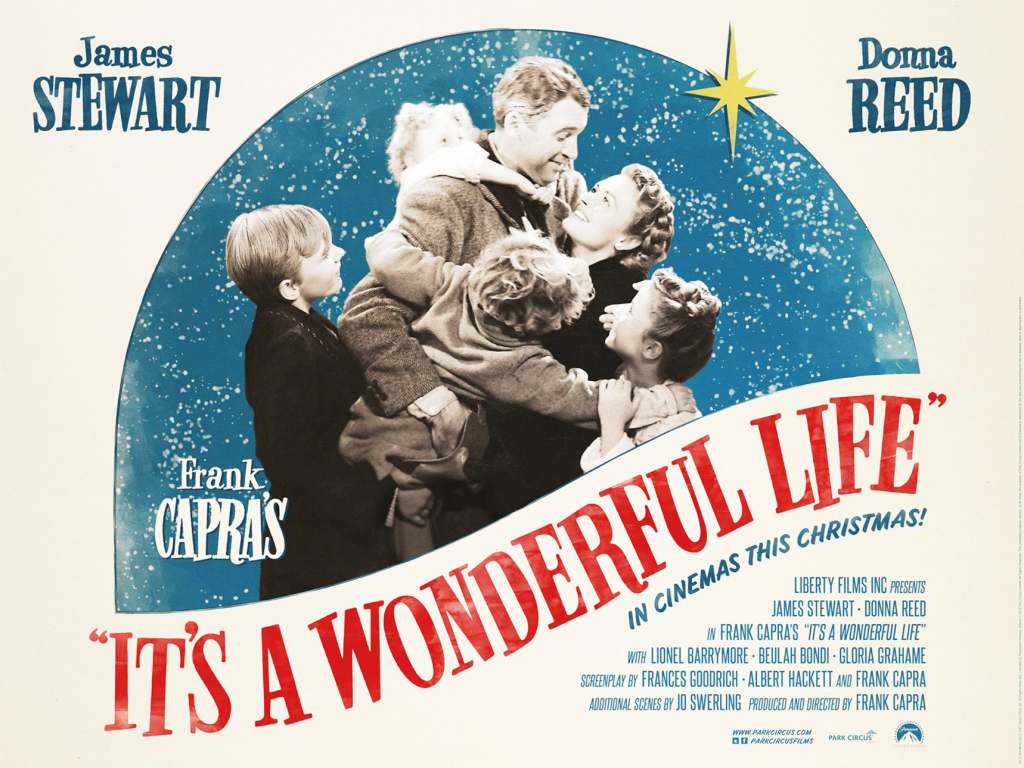
Janine Basinger: “I was very good friends with Frank Capra. I liked him very much, he liked me, we got along, and I’d always really liked the film. I like his work, period, but I really liked It’s a Wonderful Life. At that time, he had asked me to become the curator of his papers. He gave them to me and trusted them to me, no strings attached. I could do whatever I wanted with them, and I, in turn, gave them to Wesleyan to place them in an archive, which I then started. We had a couple of other things at Wesleyan, among them Elia Kazan’s papers, so I began the Wesleyan Cinema Archives that way. To raise money for Frank’s collection, because universities are neither rich nor generous, to put it nicely, I thought, ‘This film is very beloved, and I have all this material that people would like to see and know, and so I’m going to do this book as a fundraiser to care for his collection,’ because we had to process everything, and it’s, again, expensive to take care of an archive.”
WW: How’s it been interacting with fans of the film?
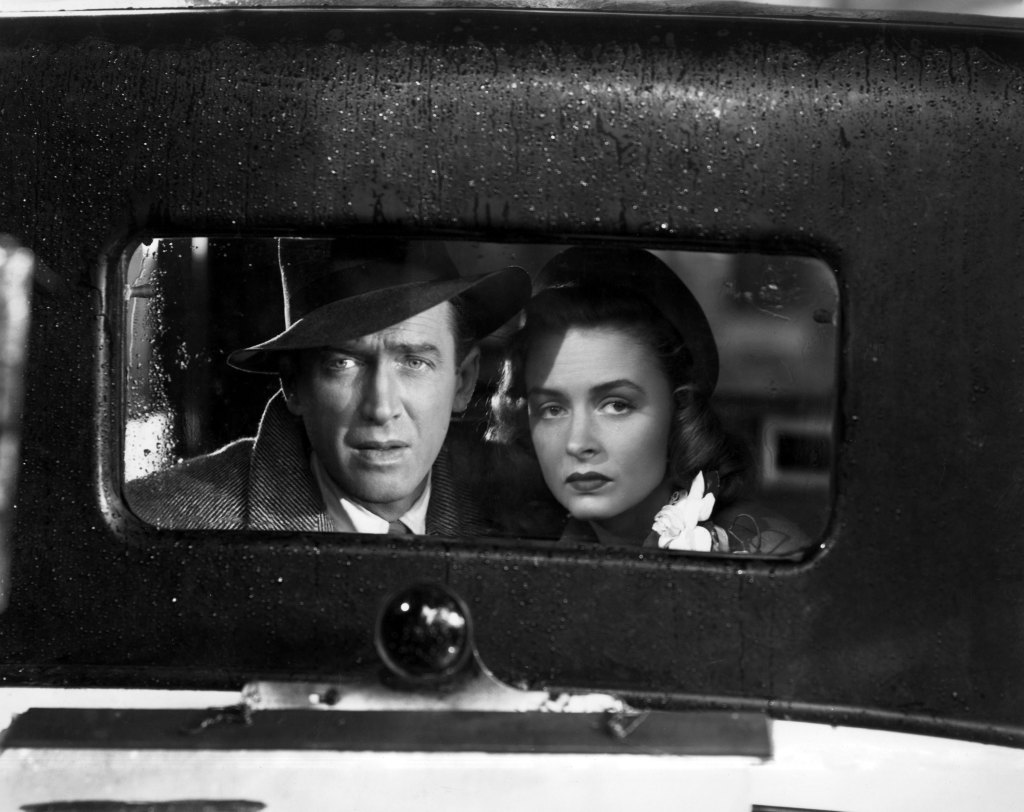
JB: “I can tell you that I get so many calls and letters from people who love this movie, they want to share, they want to talk, but I also get calls and letters from people who hate it, and want to beat up on me because I like it. It arouses emotion in people, and I always feel really sorry for the ones who hate it, because I think, ‘Wow, you hate this?’ But people get all mad over stuff. A fellow that I know in New York, who’s a native New Yorker, born and raised in Manhattan, attacked me about this film on the basis that there was never a small town like Bedford Falls; that this is no portrait of a small town. And I’m saying to him, ‘Hello, wait a second, you were born and raised in Manhattan, NYC. I’m from Brooking, South Dakota, population 5,000 people, and you’re gonna tell me this isn’t a legitimate small town?’ One of the things that Frank Capra managed to catch nicely is a sort of authentic feeling of a small-town world. Like I said, the film has emotion in it, and it touches people. Nobody is bland about this film. If they love it, they love it, and if they don’t love it, they hate it. Nobody’s indifferent.”
WW: Why do you think it inspires such strong reactions from people?
JB: “We all anticipate Christmas. We think it’s going to be like when we were kids, and it isn’t when we’re grown up. It’s good. For many of us who are lucky and have loving families in our life, where things have gone well, knock on wood, Christmas is fine. But there’s a sadness to Christmas. There’s a sad nostalgia that you aren’t young anymore, that somebody’s gotta cook the darn turkey, you know? And you didn’t have to when you were little. There are a lot of families that don’t get along; they come together, there’s tension. There’s disappointment, and the thing about It’s a Wonderful Life is that it connects to the sadness and the disappointment and the angers of life, as effectively as it does to the positives, to the love and the joy and the humor and the loyalties.
“There’s also a terrible tragedy. The hero goes out to kill himself and that is, really, the success of Capra. He could do that and make it credible and make it work, as much as he could do comedy. This movie is not simple-minded. It isn’t easy joy. It isn’t sentimental. It isn’t like that at all. There is a Potter here, and there is a threat of Pottersville, and we all know that, in life, blink once and you’re in Pottersville.”
WW: Why has the film been handed down the way it has?
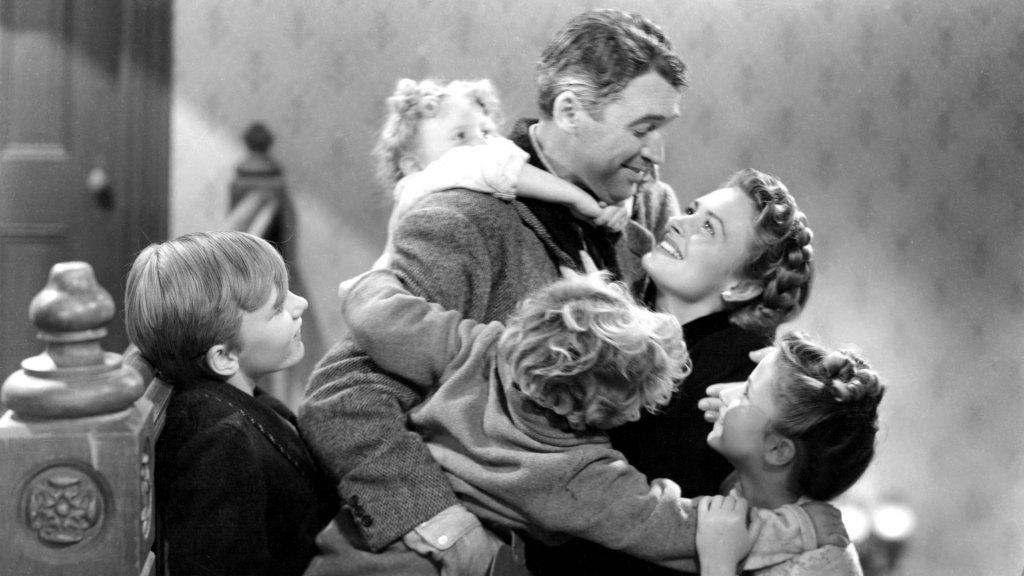
JB: “There are certain things that have a kind of inexplicable truth in them, and the ability to connect somewhere to people at a very human level. And certain things don’t change. We still look for someone to love and share our lives. We still deal with our fathers and mothers. We still have to worry about money problems. We still have dreams of riches and fame and leaving Bedford Falls and going out into the world. These things get different names, and they up the level of sophistication, possibilities get bigger or smaller, but there’s certain basics that don’t change. And so, in the end, after all, the basics of this film are always in place, no matter how much everything else changes.”
WW: What are some lessons learned by George Bailey?
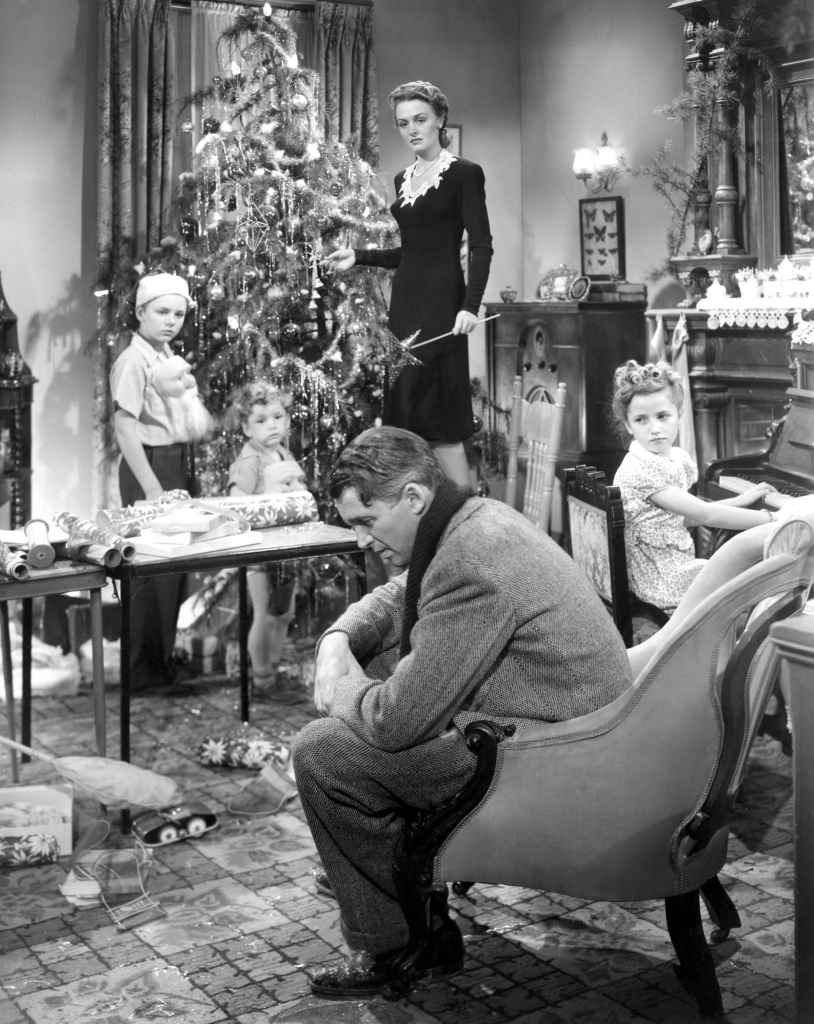
JB: “In the end, when George is made to realize that his life meant something very important to a great many people, and that without him they would not have had the joy or the success or the security in life, it’s brought home to him. He is valuable to people, that his life has meant something. This is something that doesn’t go away. It might become unfashionable. It might get labeled sentiment, whatever, but it doesn’t actually go away, and this film has that, and because it comes wrapped in a lot of great humor, with some really great people playing in every single role, it connects.”
WW: Talk to us about Donna Reed as Mary Bailey.

JB: “Donna Reed became a big TV star, and she became an Oscar-winning movie star. But at the American Film Institute life achievement for Frank Capra, a lot of my students were there and one, who, by the way, is a big writer in Hollywood now, came up to Donna Reed and said, ‘I can’t tell you how hard you’ve made it for every female that I ever meet in my life.’ She was so thrilled, she kissed him. But I think this movie makes an icon of her. People may or may not watch From Here to Eternity [which she’s in], but they are watching this movie. And she’s lovely. She was the perfect choice for this part. I think it’s made a huge impact in her career.”
WW: How about Jimmy Stewart as George Bailey?

JB: “For Jimmy Stewart, there’s so much to his career. His work with Capra, his work with Anthony Mann, his work with Alfred Hitchcock, and everything else he did, plus his own personal life — what he did with becoming a brigadier general in World War II — the man is a pretty phenomenal guy. I think that he’s the perfect person for George Bailey. Frank never considered anybody else for the role except him, but you know, it’s part of his legend, it isn’t his only legend. He has Mr. Smith, he has Vertigo and Rear Window. He has all those great Anthony Mann Westerns so, like I said, it’s a part of his legend, it isn’t his only legend.”
WW: And the director, Frank Capra?
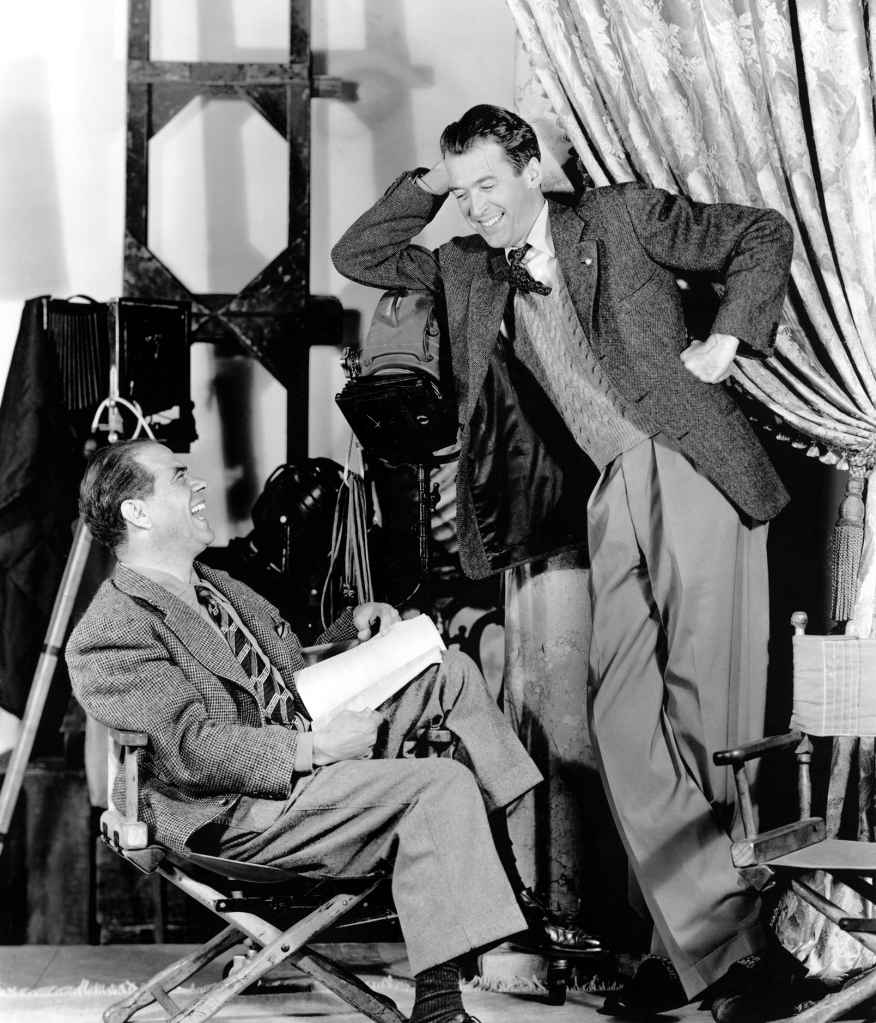
JB: “For Capra, this is the movie that kept all of his other films alive, and this is the movie that brought him into his old age with great feeling — which he did not expect to happen. He said he woke up one morning and a letter came saying somebody had seen It’s a Wonderful Life on TV, and they loved it. He said, “I sat down to answer that letter and I never got up out of that chair again,” because he kept writing, and people kept writing, and it re-birthed his fame. He started going to college campuses, talking to students, and he came alive again. And it really, I think, was related to this.”
WW: This was the first movie for Capra and Stewart in the aftermath of World War II. Tell us about that.


JB: “Everybody was anticipating it. It didn’t have the impact or the singular success of the pre-war Capras, or the pre-war Stewarts, or particularly the pre-war Capra/Stewarts, so I think this movie was something they both really believed in and liked a lot, and felt it maybe should have done better — but then it did do better. Capra and Stewart are too big to be defined only by the enduring success of this movie, but the enduring success of this movie, for both of them, opens doors for people to their other movies. People will see this and go look at their earlier work, and this triggers that interest from young people a lot.”
WW: Why should people watch ‘It’s a Wonderful Life’?
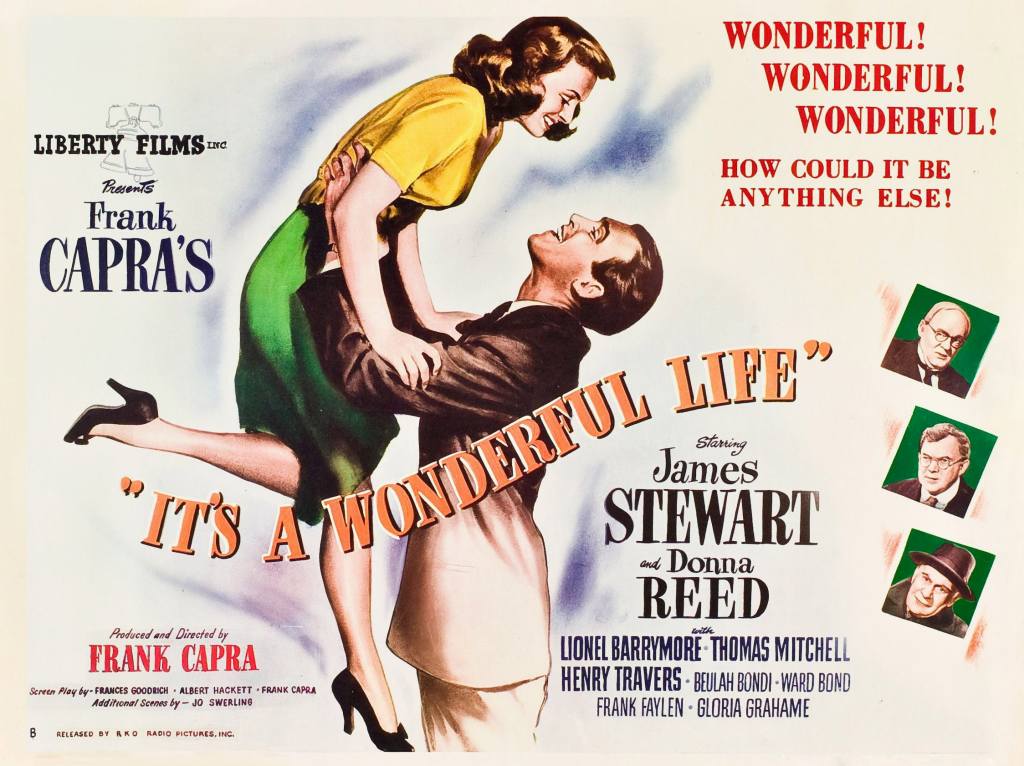
JB: “If you’re a person who likes movies, and you want to see an example of first-rate filmmaking in all possible categories, this is a good film to watch as an example of what Hollywood could do with a reasonable amount of money. There’s even technical experimenting here, when they learned how to create this new snow-making machine and everything. So this movie is a very high level of achievement, but that would not be the reason to watch it, for technical or craft issues, although they’re there.”
“If you want to see what made Hollywood great, the ability to tell a story to you, take you to a place, define the place, show you people who lived in that place, and what happened to them, and have you believe in it and get involved in it and care about it, this is really that film. And if you want to feel something, and you want to feel something positive, something that reassures you, but not in an easy way — you have to earn your tears, you have to earn your laughter — this is a good film to look at. Some directors can do comedy, some directors can do drama, not too many can do both effectively.”
Conversation
All comments are subject to our Community Guidelines. Woman's World does not endorse the opinions and views shared by our readers in our comment sections. Our comments section is a place where readers can engage in healthy, productive, lively, and respectful discussions. Offensive language, hate speech, personal attacks, and/or defamatory statements are not permitted. Advertising or spam is also prohibited.


